Markwayne Mullin’s delight at Iran’s early World Cup exit has thrown a harsh spotlight on the collision of football, geopolitics, and administrative muscle. As US Secretary of Homeland Security and a central figure in the Trump administration’s event security operations. Mullin didn’t hide his pleasure at Iran’s group-stage elimination. For him, the tournament was as much about policy as play.
Visa Controls and Administrative Leverage
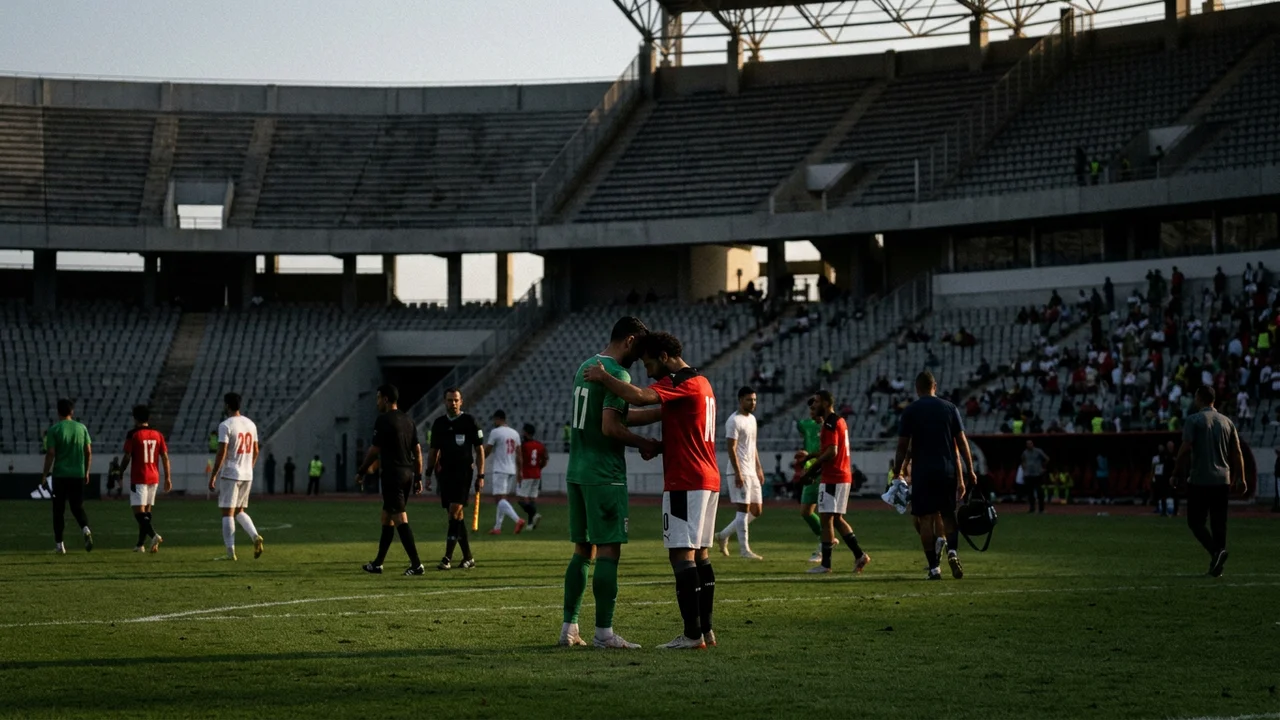
Shortly after Iran’s official exit, sealed by a 1-1 draw with Egypt and a contentious stoppage-time VAR call. Mullin made his feelings clear. "I was so happy when we were able to pull their visas and said they could leave the U.S. soil, and I might’ve sung a song or two or maybe even danced a happy dance," he told reporters at the government’s Special Event Coordination Center.
His celebration came against a backdrop of strict US entry requirements for Iran’s national team. Their base was shifted from Arizona to Tijuana. Mexico before the tournament. Under these controls. Iran’s squad could only enter the US the day before their first two matches and had to leave immediately after each game. Only ahead of their final group match in Seattle did restrictions ease, granting a two-day preparation window. The team and staff reportedly received less than half the training time they had requested.
Iranian officials, including coach Amir Ghalenoei, called the measures punitive and said they undermined the team’s competitiveness. The Iran Football Federation reported that 15 officials were denied visas and that some supporters had tickets revoked, further complicating logistics and morale.
Financial and Reputational Stakes for Tournament Organisers
Hosting a World Cup is a financial gamble, demanding flawless logistics for teams, fans, and media. When high-profile squads face travel restrictions and administrative hurdles, a tournament’s reputation, and its commercial prospects, can take a hit. The United States, co-hosting with Canada and Mexico, drew criticism for failing to uphold the neutral, open standards expected of a global sporting event.
Mullin defended the visa restrictions. He argued that Iran’s Tijuana base, close to match venues in Los Angeles and Seattle, along with pre-flight screening by US Customs and Border Protection, provided both fairness and security. He also claimed, without public evidence, that “almost half” of Iran’s original traveling party had direct ties to the Islamic Revolutionary Guard Corps, a group designated as a terrorist organization by the US government. Iranian officials dismissed the allegations as “false, fabricated and entirely baseless.”
This episode underscores the power host nations wield, not just over team movements, but over the narrative itself. The United States’ handling of Iran’s participation sent a message to sponsors and international partners about the risks and unpredictability of staging events amid geopolitical tensions.
Fallout and Future Implications
Iranian officials responded with fury, accusing Mullin and the US administration of conduct unworthy of a World Cup host. “The fact that he openly celebrates Iran’s elimination says far more about him than it does about our team,” an Iran Football Federation spokesperson said, arguing that such “pettiness” undermines the spirit of global competition.
The financial impact on the Iranian federation remains unclear. What’s certain is that decisions made off the pitch can shape outcomes as decisively as anything within the 90 minutes. Mullin’s actions and words have defined his own legacy as a political operator during the tournament, and set a precedent for how host nations might use administrative controls as a strategic asset, with commercial and sporting consequences.
Iran captain Mehdi Taremi summed up the players’ frustration: “This kind of tension undermines the joy of the World Cup. I felt the tension from the first moment we arrived.”