Top teams’ reliance on squad rotation during the World Cup group stage is drawing sharp criticism as performance metrics reveal mixed results and mounting tactical risks.
Managers have shuffled line-ups in the name of freshness, but the numbers tell a more complicated story. History shows that rotation rarely guarantees group stage dominance. Recent tournaments have only fueled the debate.
Data Challenges the Rotation Doctrine
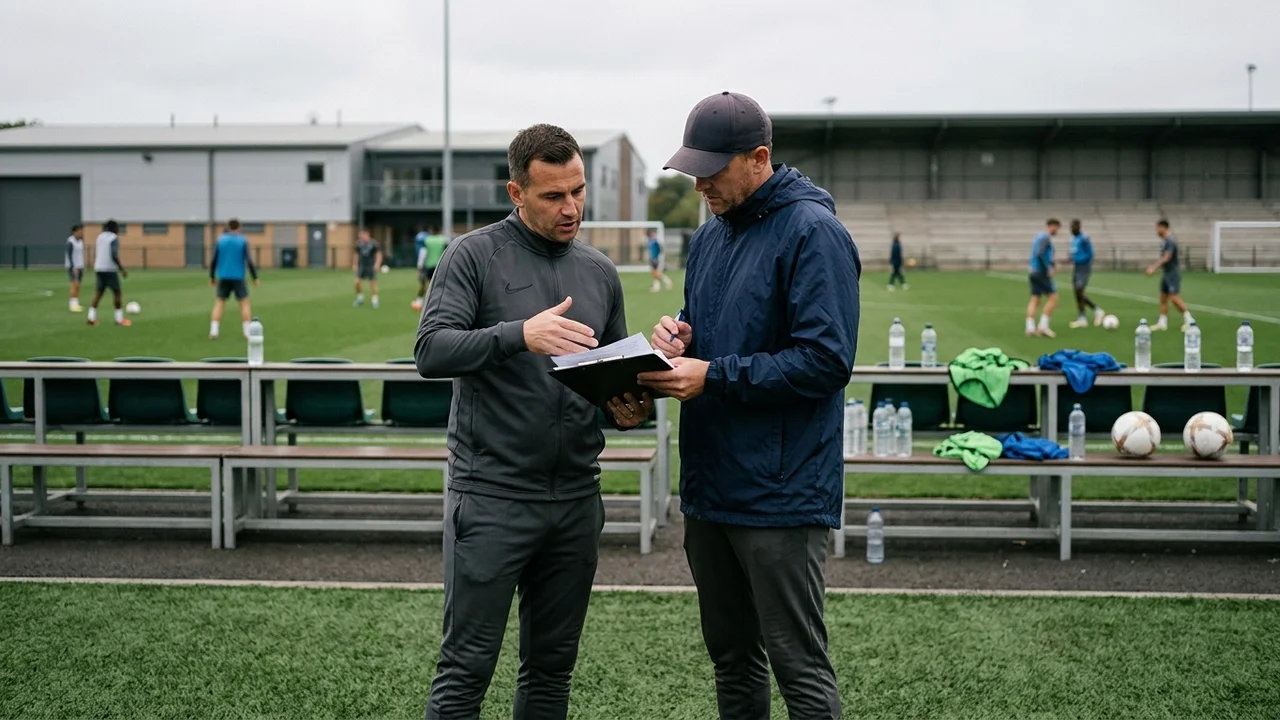
A glance at previous World Cups raises tough questions for advocates of heavy rotation. Teams that advanced deepest often stuck with a consistent starting eleven. Statistical analysis from recent tournaments shows that sides making four or more changes between matches were much more likely to drop points in the group stage. The data undercuts the supposed wisdom of constant tinkering.
Rotation’s tactical logic is hard to dismiss. Three matches in less than ten days take a real physical toll. However, wholesale changes often disrupt rhythm and chemistry, leading to disjointed performances and surprise results. In the last two tournaments, teams that rotated heavily in their second group match won less than half the time. Teams sticking with their core line-up won over 65 percent of those games.
Player performance metrics muddy the waters further. Star players rested for group games sometimes returned for knockouts lacking match sharpness, undermining the intended benefit of rest. Meanwhile, teams that built momentum with a settled side not only posted better results but also saw higher individual output: more goals per match, fewer defensive errors.
Coaches point to the compressed schedule as justification, but critics argue the risks outweigh the rewards. The group stage punishes mistakes. One slip can mean an early exit. With so much on the line, the wisdom of prioritizing freshness over form is facing more questions than ever.
Several high-profile teams have already gambled with bold rotation, splitting opinion among analysts and supporters. The tactical rationale is clear, but execution has often faltered. Disrupted partnerships in midfield and defense have left even tournament favorites looking vulnerable.
High-Stakes Gamble or Smart Strategy?
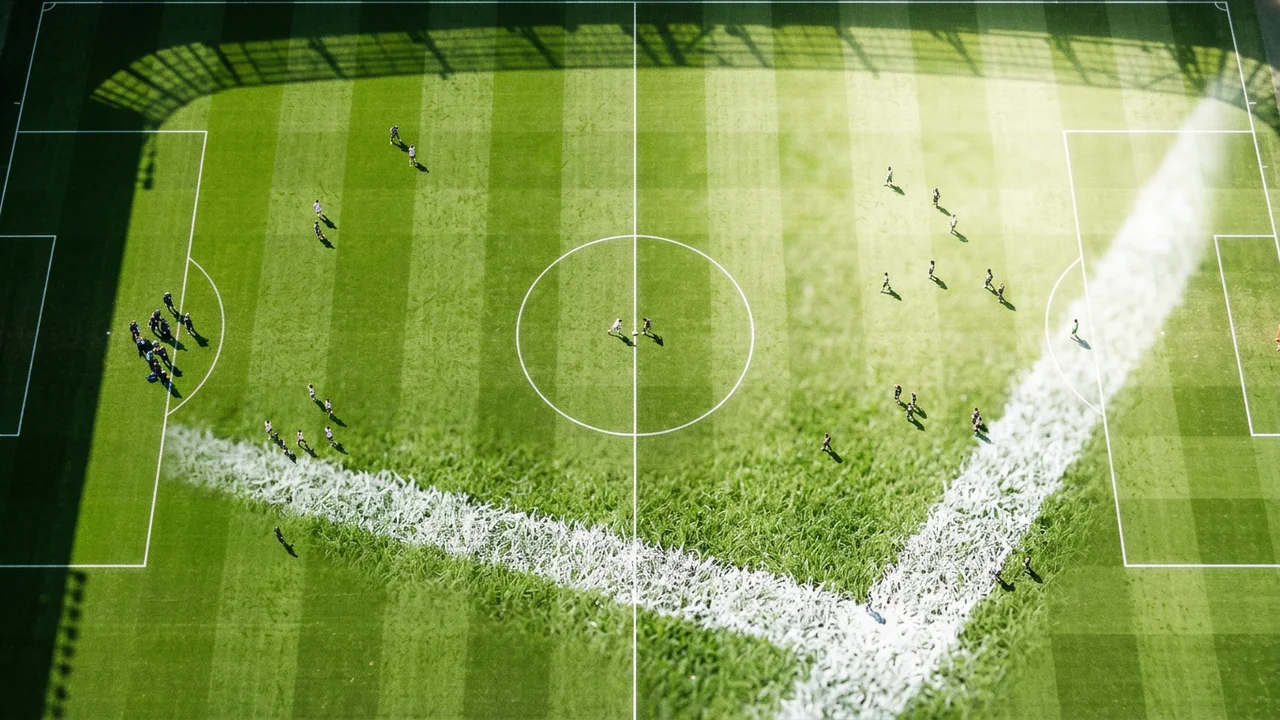
Team dynamics sit at the heart of the debate. Rotated squads frequently lack the cohesion that comes from playing together consistently. Recent group stages have produced upsets directly linked to over-rotation, with favorites conceding late or struggling to break down defensive opponents. The line between smart squad management and tactical overreach grows thinner every year.
The consequences are immediate and severe. With only three matches to secure progression, the margin for error is razor-thin. The current World Cup format, with its relentless schedule, puts enormous pressure on every selection. Records show that teams rotating more than half their outfield players in the opening two matches progress to the knockouts at a much lower rate.
These trends haven’t escaped those trying to decipher the chaos of the so-called “groups of death.” The unpredictable nature of these groups is often traced back to rotation strategies, as managers juggle fixture congestion and the threat of injuries. Anyone looking to check predictions for group stage outcomes is now factoring squad rotation into their analysis.
Accountability is becoming a flashpoint. When rotation backfires, who takes the blame: manager, medical staff, or players? Some insiders claim rotation decisions aren’t always purely tactical, but shaped by pressure from clubs and national team hierarchies eager to protect their assets.
This World Cup has already produced high-profile examples of rotation gone wrong. Teams expected to breeze through have dropped crucial points after resting key players. Others, sticking with a steady eleven, have advanced with minimal fuss. Tactical flexibility, once a managerial hallmark, is running up against the harsh realities of the group stage.
As the final round of group matches approaches, rotation decisions are under the microscope like never before, both inside squads and across the global football community.