In the realm of global football, loyalty is the hidden engine that powers stadiums, fuels chants echoing through cities, and transforms players into legends. Across continents and cultures, fanbases represent more than passion; they are lifelines to club identity and vitality. Some fans stick by their teams through glorious triumphs and heart-wrenching crashes, embodying devotion that transcends scoreboard outcomes. In a sport where billion-dollar transfers and mega sponsorships splash headlines, the real story often belongs to those in the stands and streets—chants rugged with history, tattered scarves brushing cold air, and hearts beating with unshakable allegiance. Exploring the landscape of who truly stands unwavering, from the sun-drenched terraces of South America to the electric nights of Europe’s grandstands, uncovers football’s most steadfast fanbases. These communities illustrate how football transcends sport, becoming cultural pillars and passionate tribes whose loyalty defines the game’s soul.
While some clubs attract flocks merely because of recent success, the most loyal fanbases remain bonded through thick and thin. Names like Real Madrid and FC Barcelona barely need introduction, their millions of global admirers a living testament to sustained passion. Yet, beyond the megastars and headline-makers lie devoted crowds that might not dominate social media headlines but command the fiercest on-pitch support and tradition-rich enthusiasm. From the fervent chants in Boca Juniors’ La Bombonera to the thunderous atmosphere of Borussia Dortmund’s Yellow Wall, these fans engage on a level that only football’s heartbeat can explain. Their loyalty is not measured solely in follower counts or merchandise sales but in the pride of identity, the legacy of traditions, and the relentless support that keeps clubs alive through their darkest hours.
The shape of football fandom in 2025 also reflects a world increasingly digital yet paradoxically more personal. Social media giants can boost club visibility, but they rarely capture the raw emotion pulsating in stadiums or neighborhoods. This article dives into the passionate allegiance of the sport’s most loyal fanbases, examining what makes them tick, their geographical spread, unique idiosyncrasies, and how they manifest the beautiful game’s magic beyond the pitch.

Global Giants: Real Madrid, FC Barcelona, and the Heartbeat of European Loyalty
When discussing the cream of loyal fanbases, Real Madrid and FC Barcelona immediately come to mind as titans of devotion painted in white and blue-red stripes. Their influence stretches across continents, fueled by monumental histories and unyielding trophy cabinets. Real Madrid, often crowned as the most successful football club in history, boasts an estimated fanbase of up to 600 million supporters worldwide. This staggering number spans from Europe to Asia, South America to Africa, uniting varied cultures under a shared devotion to Los Blancos’ galácticos legacy.
On the continuing evolution of Real Madrid’s fanbase, social media provides a front-row seat: the club commands more than 280 million combined followers on digital platforms. But these figures, while immense, only hint at the living, breathing passion found on a matchday at the iconic Santiago Bernabéu. The club’s lore is augmented by famous fans ranging from Hollywood legends like Tom Cruise and Jennifer Lopez to royalty such as King Abdullah II. This elite following encapsulates how football loyalty crosses global celebrity and popular culture spheres, further embedding Real Madrid’s place in the pantheon of dedicated fandom.
FC Barcelona mirrors similar grandeur with close to 275 million social media followers and faith rooted deeply in the club’s philosophy and artistic football style famously called tiki-taka. Despite financial hardships and the seismic departure of Lionel Messi in recent years, the Blaugrana faithful remain stalwarts. The Camp Nou, Europe’s largest stadium with a capacity nearing 100,000 fans, manifests this resilience physically and emotionally. The club’s recent emergence of talents like Lamine Yamal injects fresh hope into a loyal base that refuses to be subdued by adversity.
Both clubs exemplify how success, culture, and identity intertwine to create the most loyal fan communities. Here’s a snapshot of their reach and impact:
| Club | Estimated Global Fans | Social Media Followers (Millions) | Stadium Capacity | Notable Celebrity Fans |
|---|---|---|---|---|
| Real Madrid | 600 million | 280+ | 81,000 (Santiago Bernabéu) | Tom Cruise, Jennifer Lopez, King Abdullah II |
| FC Barcelona | ~550 million | 275 | ~100,000 (Camp Nou) | Shakira, Gerard Piqué, Lamine Yamal |
Fans of both clubs are emblematic of how football loyalty thrives on historical success mixed with ongoing cultural significance. For more insights into European football culture, the enduring allure of tactics such as Barcelona’s tiki-taka is explored in detail here.
United States and England: Manchester United and Liverpool’s Unrelenting Legacy
The Manchester United fanbase stretches beyond Old Trafford’s red walls into diverse corners of the world. Holding around 175 million social media followers, the club’s appeal stretches far beyond English soil. The Red Devils have historically leveraged their fan loyalty into expansive revenue streams, using their supporters’ passion as a foundation for global branding.
Icons of sport, entertainment, and even politics count themselves as part of this fanbase, including Brad Pitt, Shahrukh Khan, and Kim Jong-un – yes, even the North Korean leader’s name pops up amongst famous United followers! The enduring fan loyalty partially derives from decades of historic triumphs and high-profile players, but also from commitment through phases of underperformance. The club’s recent tactical evolutions and competitions, such as highlighted in Manchester United vs West Ham, continue to keep supporters on edge.
On Merseyside, Liverpool enjoys a fan resurgence fueled by a renaissance of success over the past decade. The club’s ~106 million social media followers reflect a global wave of support that soared with the explosive form of players like Mohamed Salah and Sadio Mane, particularly drawing fervent fans across Africa and the Arab world. Liverpool’s atmosphere – a unique blend of Scouse wit and undying passion – encapsulates true football devotion.
Notable fans from parts of the entertainment and sports world and beyond, such as Angelina Jolie and John Bishop, exemplify Liverpool’s ability to resonate through different audiences globally. Liverpool’s famous anthem “You’ll Never Walk Alone” sums up the club’s ethos of fan unity and resilience.
| Club | Estimated Global Fans | Social Media Followers (Millions) | Key Regions of Fanbase | Famous Fans |
|---|---|---|---|---|
| Manchester United | ~200 million | 175 | Asia, Africa, Americas, Europe | Brad Pitt, Shahrukh Khan, Kim Jong-un |
| Liverpool | ~130 million | 106 | Africa, Middle East, Europe | Angelina Jolie, John Bishop, Chris de Burgh |
This global appeal is no accident; it’s entwined with each club’s identity and history. The continued growth in fan engagement and the digital connection between clubs and supporters can be explored further in the enlightening report on social media reshaping football fandom.
Latin America and Europe’s Fan Powerhouses: Boca Juniors, Juventus, and Borussia Dortmund
Latin America is the cradle of impassioned football support, and among the giants, Boca Juniors stands out for its legendary loyalty and atmosphere. With an estimated following exceeding 16 million globally, Boca Juniors’ fans, known as the Xeneizes, create an unmatchable ruckus at La Bombonera. Their devotion isn’t just about the sport; it’s a cultural identity interwoven with the city of Buenos Aires itself and its working-class roots.
Across the Atlantic, Italy’s Juventus commands the largest fanbase in the country, bolstered internationally following their Champions League pursuits and the era of Cristiano Ronaldo. Juventus’ strategy has included expanding digital reach to 120 million fans across social platforms. The club’s reputation as the “Old Lady” of Italian football has been carefully cultivated through trophy dominance and fierce rivalry battles, such as the marquee clashes against Inter Milan, vividly discussed in Juventus vs Inter Weekend Preview.
Meanwhile, Germany’s Borussia Dortmund is renowned for its Yellow Wall – a terrace where over 25,000 fans stand, singing and waving banners in unison. Although Dortmund’s fanbase might not rival the sheer numbers of some global giants, their local loyalty and atmosphere make them a benchmark for fan dedication. The club’s steady rise in popularity, both domestically and abroad – partially covered in Bundesliga popularity rise secrets – highlights how deep-rooted support can triumph over transient success.
- Boca Juniors – Argentina’s working class soul with a stadium atmosphere like no other.
- Juventus – Italy’s largest fanbase with a blend of tradition and star-studded modern appeal.
- Borussia Dortmund – Germany’s passionate Yellow Wall creating unrivaled matchday atmospheres.
| Club | Fanbase Size (Estimated) | Social Media Followers (Millions) | Home Stadium | Distinctive Fan Culture |
|---|---|---|---|---|
| Boca Juniors | 16+ million | Not heavily quantified but very engaged | La Bombonera, Buenos Aires | Iconic stadium atmosphere, deep cultural identity |
| Juventus | ~60 million (Italy & global fans) | 120 | Allianz Stadium, Turin | Star power, well-developed digital community |
| Borussia Dortmund | ~25 million | ~60 | Signal Iduna Park, Dortmund | Yellow Wall, passionate singing, local devotion |
To dive deeper into how deep-seated fan culture shapes club fortunes and identities, exploring the nuances of European derbies and rivalries in Serie A and Bundesliga offers ample spectacle, such as in Serie A derby traditions and Marseille vs Lyon Ligue 1 showdown.
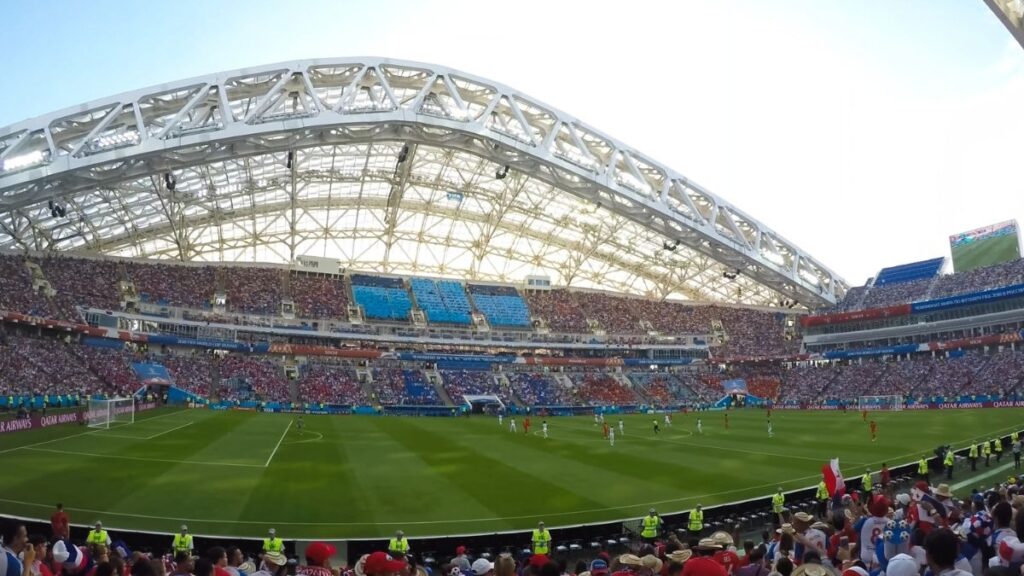
Clubs with Emerging but Fierce Loyalty: Galatasaray, Club América, and the Global Expansion of Fanbases
Clubs like Galatasaray of Turkey and Mexico’s Club América have cultivated powerful regional loyalties that echo passionately worldwide. Galatasaray boasts a fervent fanbase that reverberates through Istanbul’s stadiums with chants that have become legendary in football culture. The club’s history includes dramatic European runs that galvanized new followers across and beyond Turkey, ensured by their ardent atmosphere in matches like the fierce rivalry with Fenerbahçe.
Club América anchors some of the most fervent football-loving communities in North America, particularly Mexico, where football is woven tightly into the cultural fabric. Their massive local popularity is reflected in packed stadiums and spirited expressions of allegiance that often shape Mexican football weekends. The club’s fan culture vividly reflects Latin American football passion on the North American continent, presenting a vibrant example of how geography and culture merge within football loyalty.
- Galatasaray – Turkish powerhouse with a reputation for intimidating atmospheres and historic success in Europe.
- Club América – Mexico’s most supported team with a fanatic, deeply loyal fanbase.
- Both clubs illustrate the expansion of loyal fanbases beyond traditional European strongholds.
| Club | Fanbase Location | Distinctive Traits of Loyalty | Stadium Capacity | Recent Success Highlights |
|---|---|---|---|---|
| Galatasaray | Turkey and Europe | Intense local derbies, European exploits | 52,223 (Nef Stadium) | UEFA Cup 2000, Super Lig titles |
| Club América | Mexico and Americas | Strong regional identity, consistent domestic dominance | 87,000 (Estadio Azteca) | Multiple Liga MX titles |
For readers interested in how football fanbases in different continents express loyalty and ownership of football culture, comparing South American passion with Asian and European dynamics could offer rich exploration, further detailed in South American fan culture.
The Unyielding Passion in The Premier Leagues and the Role of Modern Media
While the clubs above define loyalty through history and sheer numbers, the modern game in leagues like the English Premier League is redefining fan engagement with technology and media interaction. Fans of clubs like Arsenal and Chelsea are notable examples where traditional devotion meets digital age fandom, showcasing the blend of old-school loyalty and new-age connectivity.
Arsenal’s fanbase, known affectionately as the “Gooners,” is famous for standing steadfast during trophy droughts. Even after years of limited silverware, Arsenal supporters have remained a passionate and growing tribe, boosted by the club’s nurturing of diverse talents from Asia and Africa. Their social media presence, numbering about 85 million followers, underscores how globally loyal fanbases can grow through more than just results.
Chelsea, often accused of harboring “plastic fans” due to rapid success post-2003 following Roman Abramovich’s investment, nonetheless cannot deny one fact: the Blues have amassed about 112 million fans on social media, and their matchday atmospheres are intimidating to many rivals. Their fans have famously been noisy, passionate, and unrelenting through domestic and European campaigns. Chelsea’s blend of history, success, and fan engagement offers a vibrant case study in loyalty fashioned in the modern football era.
- Arsenal – Loyal through droughts, growing global presence, rich Premier League history.
- Chelsea – Success-driven fan growth with passionate and vocal support.
- Explosive growth on digital platforms fueling modern football loyalty.
| Club | Estimated Fans | Social Media Followers (Millions) | Notable Traits | Recent Competitive Highlights |
|---|---|---|---|---|
| Arsenal | ~85 million | 85 | Enduring loyalty, global community growth | Top four Premier League finishes, Europa League runs |
| Chelsea | ~110 million | 112 | Passionate fans, strong European presence | Champions League titles, Premier League trophies |
Understanding how fan engagement blends with technology is crucial in the 21st century. An excellent resource to see how social media channels shape and reshape fan loyalty is found in Social Media Football Reshaping Today.